Expert Slab Leak Detection in Brick, NJ
A slab leak occurs when the water lines running beneath your home's concrete foundation develop a pinhole or break. Because these pipes are buried, the signs are often subtle until significant damage has occurred. At NJ Leak Detection, we provide specialized slab leak detection in Brick NJ, utilizing non-invasive methods to locate the exact source under your floors without unnecessary demolition.
Warning Signs of a Slab Leak
Slab leaks can be difficult to identify early on. Watch for these common indicators:
- Unexplained Warm Spots: If you step on a section of tile, laminate, or carpet and it feels unusually warm, this is a classic sign of a hot water line leak beneath the slab.
- Sound of Running Water: Hearing water flowing or hissing when all taps and appliances are turned off.
- Sudden Spike in Water Bills: A continuous leak, even a small one, will significantly increase your monthly water usage.
- Damp Flooring or Baseboards: Moisture seeping up through the concrete can cause carpets to feel damp, laminate to warp, or baseboards to swell.
- Cracked Tiles or Concrete: Water pressure and soil erosion beneath the slab can cause physical shifts, leading to cracks in your flooring or foundation.
- Unexpected Mold or Musty Odors: Continuous moisture creates an ideal environment for mold growth under flooring materials.
Common Causes in Ocean County
Several factors contribute to slab leaks in the Brick township area:
Aging Copper Pipes: Many older homes in neighborhoods like Laurelton and Herbertsville were built with copper pipes routed directly under the slab. Over time, the chemical composition of the water and surrounding soil can cause pitting and corrosion.
Soil Movement and Settling: Sandy soil and high groundwater levels near the Barnegat Bay and Metedeconk River can lead to ground shifting. This movement puts immense pressure on rigid underground pipes, eventually causing them to crack or break.
Abrasion: As pipes expand and contract with temperature changes, they can rub against the surrounding concrete or gravel, slowly wearing away the pipe wall.
Our Non-Invasive Detection Process
We believe in pinpoint accuracy before any concrete is touched. Our detection process includes:
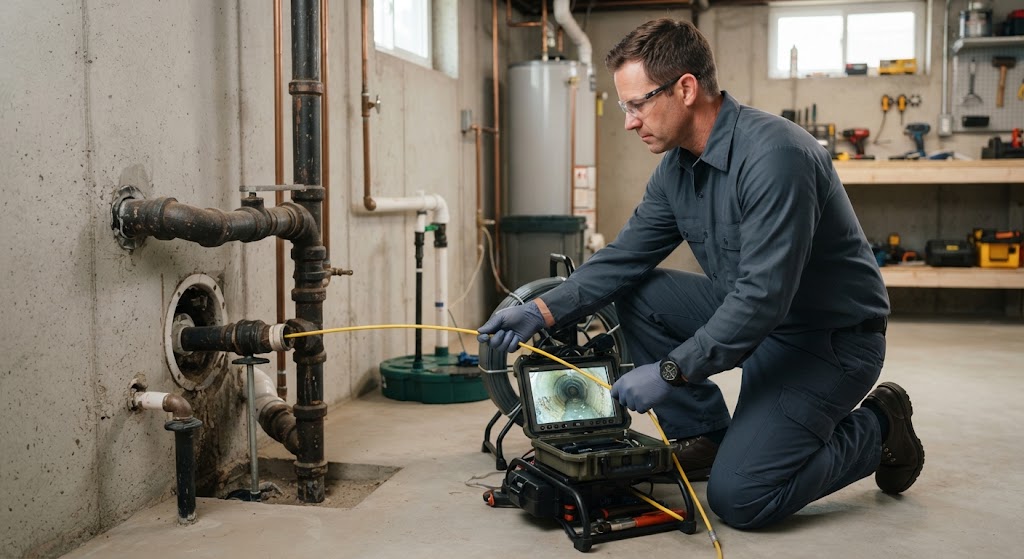
- Acoustic Listening: We use highly sensitive electronic listening equipment to trace the path of the water lines and listen for the distinct sound of pressurized water escaping the pipe. This allows us to locate the leak within inches.
- Thermal Imaging: Infrared cameras are invaluable for finding hot water slab leaks, revealing the thermal footprint of the escaping water through the flooring material.
- Line Tracing and Pressure Testing: We can isolate the hot and cold systems to determine which line is compromised and precisely map its location under your home.
Repair Options After Detection
Once the exact location is identified, we will discuss the most practical repair strategies. Depending on the condition of your plumbing and the location of the leak, options typically include:
- Spot Repair: Carefully opening a small section of the floor and concrete to fix the specific break. This is often suitable for isolated incidents in newer pipes.
- Rerouting: Abandoning the leaking line under the slab and running a new, modern pipe (like PEX) through the walls or attic. This is frequently the best long-term solution, especially if the under-slab pipes are severely degraded.
- Repiping: In cases of widespread corrosion, a partial or complete home repipe may be necessary to prevent future leaks.